
Is Drinking Bottled Water Everyday Safe?
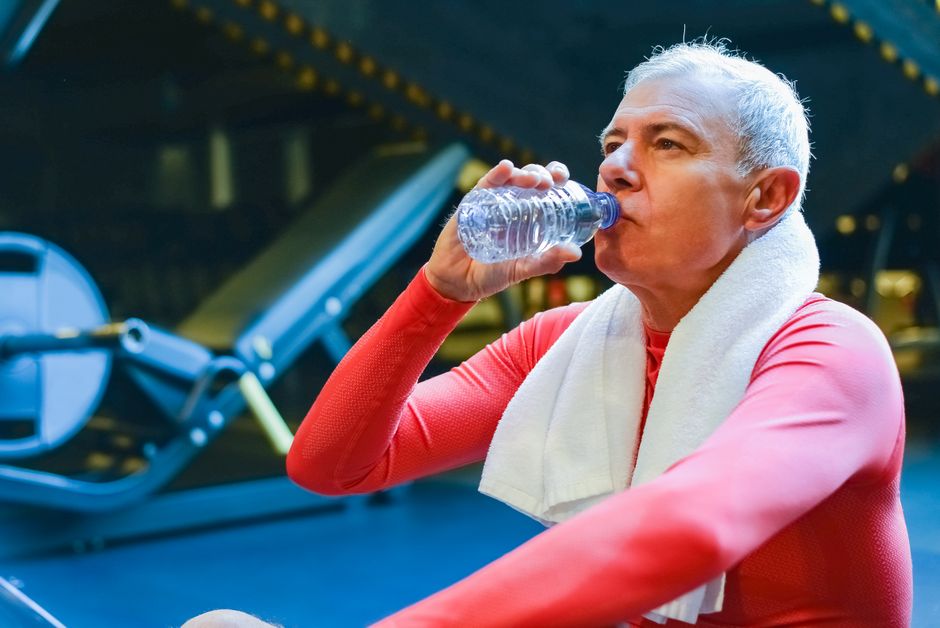
Drinking bottled water everyday is generally considered safe for most healthy people when the water meets safety standards and is stored and handled cleanly. Research has detected plastic particles in bottled water, but their presence does not establish that they cause harm. The better choice depends on local tap-water conditions, private-well test results, and practical needs such as taste and access.
Is it okay to drink bottled water every day?
Yes, bottled water that meets applicable safety standards is considered safe for most healthy people. The Centers for Disease Control and Prevention (CDC) says the U.S. Food and Drug Administration regulates bottled-water safety using standards based on U.S. Environmental Protection Agency (EPA) standards for tap water.
That does not make every bottle identical. The CDC advises checking the label to learn where the water comes from and how it has been treated, and contacting the bottler for more information. Bottled-water outbreaks are rarely reported, according to the CDC, but they do occur; contamination can also happen after purchase if bottles are not handled or stored cleanly.
For people with weakened immune systems who need protection from Cryptosporidium, the CDC identifies absolute 1-micron filtration, distillation, and reverse osmosis as protective treatments. This is a specific concern with specified treatments, not a reason to assume bottled water is safer for everyone.
Should I stop drinking bottled water because of microplastics?
No evidence in the provided sources shows that everyone needs to stop drinking bottled water because of microplastics. A 2024 study of three popular bottled-water brands, described by the National Institutes of Health (NIH), found an average of about 240,000 plastic particles per liter. About 90% were nanoplastics, and the count was 10 to 100 times higher than earlier studies that mainly measured larger microplastics.
The important limit is what that study measured: particle presence, not health effects. The NIH says the potential health effects remain unproven and unknown. A particle count can show what is present in a sample; by itself, it cannot show whether the amount causes illness.
For practical handling, keep bottles clean, check that seals are intact, and avoid prolonged exposure to heat or sunlight as a cautious storage approach. Pouring water into a glass rather than repeatedly handling the cap can help limit opportunities for contamination after purchase. The available sources do not quantify how much these steps change plastic-particle exposure.
Is bottled water safer to drink than tap water where I live?
It depends on your local water and the source of the bottled water. A useful comparison starts with the water report or test result for the place you actually live, rather than a general assumption that one type is always safer.
If your home is served by a community water system, the EPA says the supplier must provide a Consumer Confidence Report by July 1 each year. The report describes the water source, regulated contaminants found, health effects of contaminants that exceeded standards, and actions taken to restore safe water. Get it from the supplier or use the EPA’s Consumer Confidence Report search tool to review local conditions.
Private wells need a different check because the community-system report does not describe them. The EPA recommends annual testing for total coliform bacteria, nitrates, total dissolved solids, and pH. It also advises testing promptly after flooding, well repairs, known local groundwater problems, other major nearby changes, or a change in water’s odor, color, or taste. Use a laboratory certified to test drinking water, and ask the local health department about contaminants common in the area.
A practical decision follows from those checks. If local tap water meets standards and tastes acceptable, bottled water may not offer a safety advantage. If an advisory, a well-test result, taste, or limited access changes the situation, bottled water can be a practical alternative; check its label and handling as well as local conditions.
Do microplastics in bottled water pose a proven health risk?
No. The sources provided do not establish a proven health risk from microplastics in bottled water at the levels discussed. The World Health Organization’s 2019 review said the limited information available indicated microplastics in drinking water did not appear to pose a health risk at the levels assessed, while stressing that more evidence was needed.
The WHO reported in 2019 that particles larger than 150 micrometres are unlikely to be absorbed and uptake of smaller particles is expected to be limited. Evidence about the smallest particles was extremely limited. The NIH’s 2024 account of the newer bottled-water study highlights a related uncertainty: nanoplastics were detected in large numbers, but the study did not measure their effects on people.
These findings are not a contradiction. The WHO review described limited evidence about health risk; the newer study improved detection of smaller particles. Better detection answers what is present, not whether it causes harm. The WHO also said drinking-water and wastewater treatment systems can remove microplastics and recommended prioritizing removal of microbial pathogens and chemicals already known to pose health risks.
How does fluoride change the choice?
Water source and treatment can matter for oral health, too. The CDC says some bottled water contains fluoride, but de-ionized, purified, demineralized, or distilled water typically contains none or only trace amounts unless fluoride is added. The CDC recommends 0.7 mg/L fluoride in drinking water to reliably prevent cavities.
People who drink mostly bottled water may not receive an optimal amount of fluoride to help prevent cavities, according to the CDC. Check the label and ask the manufacturer about fluoride content; a dentist can discuss prevention options based on a person’s circumstances.
Frequently Asked Questions
Does leaving bottled water in a hot car make it less safe?
The listed sources do not establish how a hot car changes bottled water or quantify a resulting health risk. The CDC advises protecting bottles during shipping and storage and preventing contamination after purchase. Avoid prolonged heat and sunlight as a cautious storage practice, and discard bottles with damaged seals.
What practical steps can reduce exposure if I rely on bottled water?
Choose sealed bottles, check the label for the water source and treatment, and contact the bottler for further product information. Store bottles in a clean place away from heat and sunlight, and pour water into a glass instead of repeatedly handling the cap. These steps support clean handling; they do not establish a measured reduction in plastic-particle exposure.
Can drinking only bottled water affect fluoride intake and dental health?
Yes. The CDC says some bottled water contains fluoride, while de-ionized, purified, demineralized, or distilled water typically has none or only trace amounts unless fluoride is added. Ask the manufacturer about the product’s fluoride content and ask a dentist about prevention options if bottled water is your main source.
Sources
- National Institutes of Health: Plastic particles in bottled water
- World Health Organization: Microplastics in drinking water
- U.S. Environmental Protection Agency: Consumer Confidence Reports
- U.S. Environmental Protection Agency: Protect Your Home’s Water
- Centers for Disease Control and Prevention: Community Water Fluoridation FAQ
- Centers for Disease Control and Prevention: Bottled Water
Disclaimer: This article is for general information only and is not medical advice. It is not a substitute for diagnosis or treatment by a qualified healthcare professional. Always speak to your doctor before acting on anything you read here.
Related reading
Is Drinking Bottled Water Thats Been in Sun Safe?
Brief sun exposure does not automatically make bottled water unsafe, but prolonged heat, bottle condition, and whether it was opened matter.
Is Drinking Bottled Water From a Hot Car Safe?
Drinking bottled water from a hot car has no universal safe time limit; bottle condition, handling, and heat history matter.
Vitamins for Memory Adults: What Evidence Supports
For adults, memory vitamins are most useful to correct deficiency; supplements have not reliably improved memory in people without one.

What Are the Best Boarding Schools in the US?
Compare the best boarding schools in the US by academic fit, student support, campus culture, affordability, and admissions realism.