
Vitamins for Memory Adults: What Evidence Supports
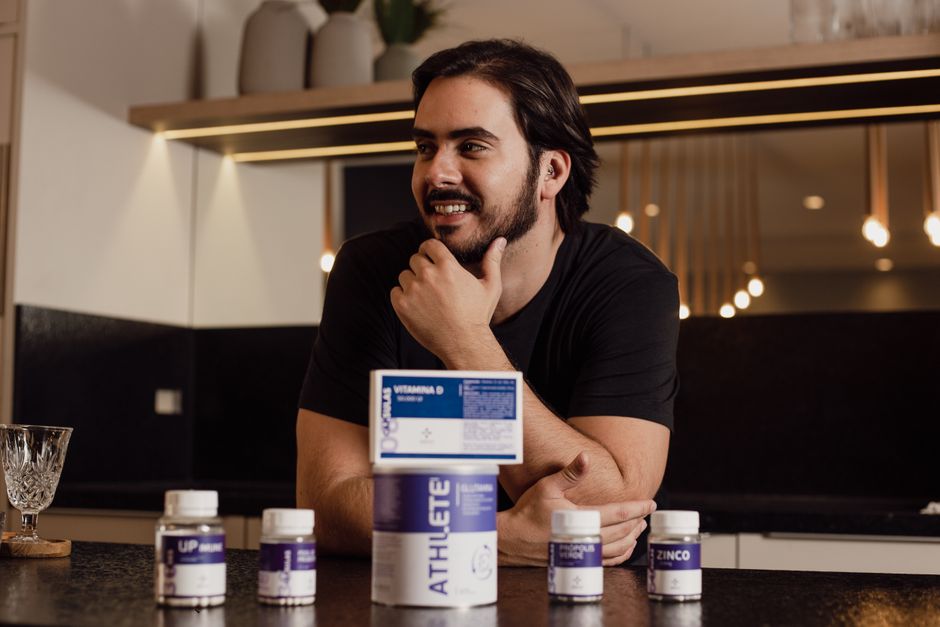
For adults, vitamins for memory are most useful when they correct a diagnosed deficiency; evidence does not show that B vitamins reliably improve memory in older adults who are not deficient. Ginkgo and omega-3 supplements have not established meaningful everyday memory benefits. The practical move is to review symptoms, diet, medicines, and possible deficiencies with a clinician—especially when memory changes affect daily life.
What vitamins are good for memory in adults?
Vitamins are most clearly relevant to memory when a deficiency or another health problem is present. Low vitamin B12 is one potentially treatable contributor to memory problems, according to the National Institute on Aging (NIA). That is a reason to investigate a possible cause, not evidence that B12 supplements improve memory for everyone.
The NIH Office of Dietary Supplements (ODS) says B12 deficiency can be assessed using serum or plasma B12. Many laboratories consider results below 200–250 pg/mL subnormal; methylmalonic acid (MMA) can help confirm deficiency when B12 is borderline, though kidney impairment and older age can also raise MMA. These thresholds and considerations are from the ODS fact sheet; a clinician interprets results in context.
Risk factors include impaired absorption and eating patterns that lack animal foods unless fortified foods or supplements provide B12. In randomized trials, B12 alone—or with folic acid and B6—did not improve cognitive function in older adults, even when some trials lowered homocysteine. The distinction matters: correcting a deficiency addresses a nutritional problem; taking extra vitamins without one is not a demonstrated memory strategy.
Which are the best vitamins for memory?
There is no best memory vitamin supported as a general enhancer by these sources. The relevant choice depends on whether a person has a deficiency, a risk factor, or a medical condition that affects nutrient absorption. Evidence for popular options does not support ranking them as memory boosters for all adults.
For B6, the safety issue is excess, not a proven memory advantage. Chronic high-dose pyridoxine can cause severe, progressive sensory neuropathy and loss of control of bodily movements, according to the NIH ODS. The fact sheet lists an adult recommended intake of 1.3 mg per day through age 50, then 1.7 mg for men and 1.5 mg for women age 51 and older; it also reports the U.S. adult upper limit of 100 mg per day and a lower EFSA adult limit of 12 mg per day set in 2023. These are reference values, not a reason to self-prescribe a supplement.
Vitamin E deficiency is rare in healthy people and is usually associated with conditions that impair fat absorption. High-dose supplements have been associated with increased hemorrhagic-stroke risk in clinical trials. Vitamin E can also inhibit platelet aggregation and may increase bleeding risk with anticoagulant or antiplatelet medicines such as warfarin; the clinically significant amount is uncertain, the ODS notes.
For vitamins A, C, and D, and for folate (B9), the provided research sources do not establish that supplementation improves memory in adults generally. For ginseng and phospholipids such as phosphatidylserine or phosphatidylcholine, the provided dossier also does not supply evidence sufficient to claim everyday memory benefits. A missing evidence summary is not proof of no possible effect; it does mean a confident “best supplement” claim cannot be made from these sources.
How the options compare
| Option | Who it may suit | Cost | Key limitation or safety point |
|---|---|---|---|
| B12 | People with a deficiency risk, such as impaired absorption or diets lacking animal foods without fortified sources | not published | Trials have not shown cognitive improvement in older adults generally; testing and interpretation are clinical matters. |
| B6 | People whose intake or health needs are assessed by a clinician | not published | Chronic high doses can cause serious nerve effects; upper limits differ by authority. |
| Folate (B9), B12, and B6 | People with a diagnosed deficiency or other clinical indication | not published | Short-term supplementation has not been shown to improve cognitive function in older adults. |
| Vitamin E | People with a condition affecting fat absorption may need evaluation for deficiency | not published | High-dose supplements have bleeding-related concerns, particularly with some medicines. |
| Ginkgo | No group is established by these sources as gaining meaningful everyday memory benefit | not published | It has not been shown to prevent or slow dementia; potential bleeding risk warrants caution. |
| Omega-3 supplements | People considering them should distinguish supplement evidence from fish-consumption evidence | not published | Supplements have not been shown helpful for treating Alzheimer’s disease. |
| Vitamins A, C, D; ginseng; phospholipids | not established by the provided research sources | not published | The provided sources do not support a memory-benefit claim. |
Which vitamin is best for brain memory?
No single vitamin is established as best for brain memory in adults. B12 is the most actionable option in this evidence set when deficiency is possible, because deficiency can be assessed and is recognized as a potentially treatable contributor. But a possible deficiency calls for evaluation, not a blanket supplement recommendation.
“Better cognitive test scores” and “noticeably better daily memory” are not interchangeable outcomes. The National Center for Complementary and Integrative Health (NCCIH) reports that some studies of ginkgo in people with impairment found changes in cognitive test outcomes, but those results have not established meaningful improvement in daily life. NCCIH also reports that a trial involving more than 3,000 older adults found no benefit from ginkgo for dementia prevention. The practical takeaway: judge claims by the outcome measured, not by a broad label such as brain health.
Omega-3 evidence needs the same separation. NCCIH describes more consistent evidence when omega-3s are studied through fish consumption, while omega-3 supplements have not been shown helpful for treating Alzheimer’s disease. Evidence about a food pattern does not automatically prove that a capsule produces the same effect.
How do I boost my brain memory?
Start by sorting a new memory concern into two tracks: check for a cause, and support general health. NIA recommends discussing noticeable changes with a doctor, including repeated questions, getting lost in familiar places, difficulty following directions, or confusion about time, people, and places. Serious memory problems can interfere with everyday tasks such as driving, using the phone, and finding the way home.
Bring a concise record to the appointment: what changed, when it began, examples of daily tasks affected, current medicines and supplements, diet patterns, and relevant health conditions. Ask whether evaluation should consider medication side effects, depression or anxiety, sleep problems, thyroid, kidney or liver disorders, or low B12; NIA identifies these as potential contributors. For B12 specifically, the clinician can decide whether serum or plasma testing is appropriate and whether MMA would help interpret a borderline result.
Do not let a supplement trial become a waiting period. NCCIH advises people not to postpone medical evaluation for memory loss while trying complementary approaches. The sequence is straightforward: describe the change, investigate possible causes, then review any supplement choice for evidence, interactions, and need.
For practical steps alongside evaluation, NIA points to adequate sleep, exercise, healthy eating, controlling high blood pressure, and limiting alcohol. These are health measures, not a promise that memory will improve. For a focused next step, write down one recent example of a memory change and ask a clinician what causes are worth checking.
Before adding a product, review the label with a clinician or pharmacist if medicines are involved. The NIA’s list of potentially treatable contributors is a useful prompt for that conversation; the NIA guide to memory problems and aging explains when to raise concerns. Vitamin E may increase bleeding risk with anticoagulant or antiplatelet medicines, and high-dose B6 carries nerve-related risks. NCCIH also cautions that supplements can have safety issues, so the product name, ingredients, and medicines should be reviewed together.
Frequently Asked Questions
Do memory vitamins help if I don’t have a deficiency?
Evidence does not establish that B vitamins improve cognitive function in older adults without a relevant deficiency. Correcting a deficiency is different from enhancing memory beyond normal function.
Can low B12 cause memory problems, and should I get tested?
Low B12 is among the potentially treatable contributors to memory concerns identified by the National Institute on Aging. A clinician can assess whether testing is appropriate; the NIH Office of Dietary Supplements notes that serum or plasma B12 is used, with methylmalonic acid sometimes helping clarify borderline results.
Are ginkgo or fish oil supplements effective for memory?
Ginkgo has not been shown to prevent or slow dementia, and results on cognitive tests do not establish meaningful daily-life improvement. Evidence is more consistent for omega-3s from fish consumption than for supplements, which have not been shown helpful for treating Alzheimer’s disease.
Which memory supplements can interact with blood thinners or other medicines?
Vitamin E may increase bleeding risk with anticoagulant or antiplatelet medicines, although the clinically significant amount is uncertain. Ginkgo also has potential bleeding concerns; discuss supplements and medicines with a clinician or pharmacist before combining them.
Sources
- National Center for Complementary and Integrative Health (NCCIH), NIH
- NIH Office of Dietary Supplements, Vitamin B12 Fact Sheet for Health Professionals
- NIH Office of Dietary Supplements, Vitamin B6 Fact Sheet for Health Professionals
- NIH Office of Dietary Supplements, Vitamin E Fact Sheet for Health Professionals
- National Institute on Aging (NIA), NIH
Disclaimer: This article is for general information only and is not medical advice. It is not a substitute for diagnosis or treatment by a qualified healthcare professional. Always speak to your doctor before acting on anything you read here.
Related reading

What Is the Best Vitamin for Memory and Brain Health?
No single vitamin boosts memory for everyone; treating a deficiency is different from taking supplements for general brain health.
Best Memory Pills: What the Evidence Says and What to Do
No memory supplement is proven to prevent cognitive decline; compare evidence, cost and safety, and get noticeable memory changes evaluated.

What Are the Best Boarding Schools in the US?
Compare the best boarding schools in the US by academic fit, student support, campus culture, affordability, and admissions realism.

Should You Directly Apply for Jobs or Use Indeed?
Directly apply for jobs on the employer’s site when verified; use Indeed quick apply when it clearly reaches the right employer.