
Drinking Bottled Water and Microplastics: Should You Worry?
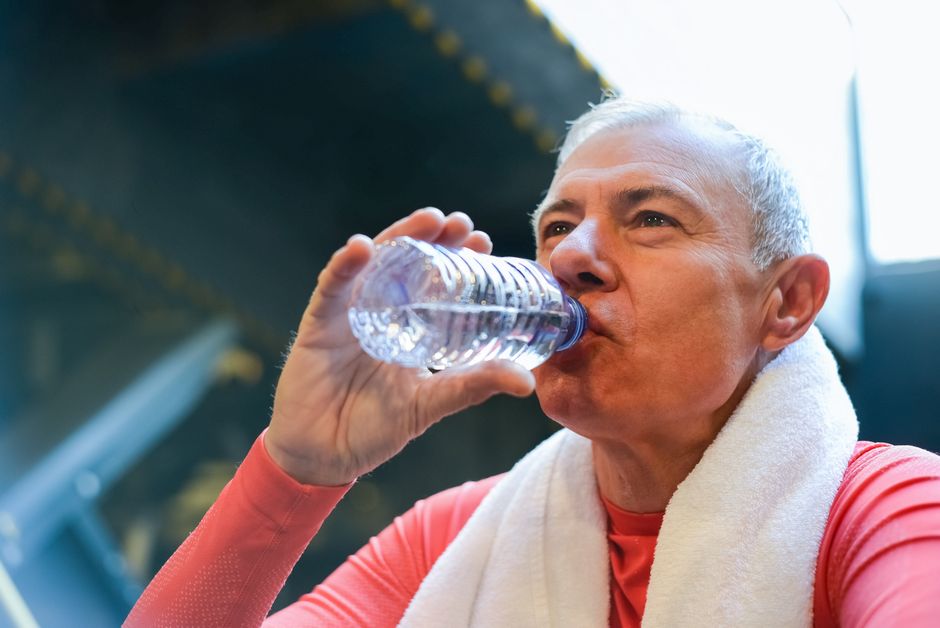
Drinking bottled water and microplastics are linked: studies detect plastic particles in bottled water, and some report higher counts than tap water. Results vary sharply with testing methods, and particle counts alone do not show that drinking the water causes harm. If tap water is safe and reliable, a suitable filter and a glass or stainless-steel container can reduce reliance on plastic packaging; bottled water remains a practical option when it is not.
Should I stop drinking bottled water because of microplastics?
No single particle count is a reason to panic or a complete answer to whether bottled water is right for you. The World Health Organization’s assessment found that the health risk from microplastics in drinking water appeared low based on available evidence, while emphasizing substantial knowledge gaps, especially for the smallest particles. The WHO also cautioned that counts alone do not establish a health risk.
For practical decisions, start with water safety and reliability. If your tap water is safe and accessible, using it can reduce dependence on bottled water. If it is not safe, or bottled water is the reliable option available, the evidence here does not show that avoiding it is more important than having dependable drinking water. The choice is about managing an uncertain exposure, not treating bottled water as proven harmful.
Packaging and storage can be adjusted without turning hydration into a complicated project. When convenient, choose water from a trusted tap, use a suitable filter, and store it in glass or stainless steel. For related questions about heat and storage, see Is Drinking Bottled Water Thats Been in Sun Safe? and Is Drinking Bottled Water From a Hot Car Safe?
Is bottled water more likely to contain microplastics than tap water?
Some studies find higher particle counts in bottled water, but the evidence does not support a simple rule that bottled water always contains more. WHO reported that bottled water generally had higher particle counts than tap water in the limited studies it assessed. Yet a UK study published in 2024 found averages that were statistically indistinguishable: 40 particles per litre in tap water and 37 per litre in bottled water.
The scale of reported counts also depends on what researchers can detect. A 2024 study in the Proceedings of the National Academy of Sciences measured an average of about 240,000 detectable plastic fragments per litre across five samples from three popular US bottled-water brands. About 90% were estimated to be nanoplastics, and the method detected particles down to about 100 nanometres. That result measures particle abundance; it does not establish that drinking the water causes harm.
By comparison, the UK study analysed 177 tap-water samples from 13 cities and 85 bottled-water samples from 17 brands. It reported ranges of 6–100 particles per litre in tap water and 12–62 per litre in bottled water, with averages of 40 and 37 respectively. The difference between these findings and the much higher PNAS counts illustrates why particle size cutoffs, sample handling, and analytical methods matter. A count from one study cannot be compared directly with another unless the methods are considered.
WHO reported that individual drinking-water samples ranged from zero to more than 10,000 particles per litre. This wide span is a reminder that a measured count describes a particular sample under a particular method; it is not, on its own, a personal risk score.
Do glass bottles avoid microplastics, or can the cap add particles?
Glass bottles are not necessarily particle-free, because their closures can contribute particles. In a beverage study, France’s ANSES found an average of 4.5 microplastic particles per litre in water from glass bottles, compared with 1.6 per litre in plastic bottles and cartons. Researchers linked particles in glass-bottled drinks to paint on metal caps, based on matching colour and composition and visible microscopic scratches on caps.
ANSES also tested steps to reduce particles from caps in filtered water placed in glass bottles. The measured average fell from 287 particles per litre with uncleaned caps to 106 after blowing air on the caps, and to 87 after blowing and rinsing. These were results from the agency’s test, not a guarantee that the same reduction will occur for every product or at home.
The practical lesson is narrower than “glass solves it.” Glass changes the packaging material, but a closure can still be a source of particles. If you use glass, avoid treating the bottle alone as proof of zero exposure; storage choices can reduce reliance on plastic without making an absolute claim about particle-free water.
Which bottled waters do not contain microplastics?
The research provided does not identify a bottled-water brand that is free of microplastics. Studies detect particles across different products and packaging types, while results depend on the particles and sizes each method can measure. Claims that a particular brand contains none cannot be verified from these sources.
Instead of searching for a guaranteed particle-free brand, use a decision rule based on your water supply and available packaging. If tap water is safe and reliable, consider a suitable filter and a reusable glass or stainless-steel container. If bottled water is necessary, prioritize a dependable water source; the evidence does not justify choosing a brand on a claim of zero particles.
Filtering is not a universal fix. WHO says conventional drinking-water treatment can effectively remove particles, but effectiveness depends on the system. A 2024 Brazil study found mean concentrations of 1.13 particles per litre in tap water, 1.41 in purifier-filtered water, and 0.49 in ceramic-filtered water; these results apply to the specific samples and relatively large particles examined, not every household or nanoplastic.
Frequently Asked Questions
Can filtering tap water reduce microplastics compared with bottled water?
Some treatment processes and specific filters can remove particles, but performance depends on the treatment system and on which particle sizes are measured. A Brazil study found lower counts in ceramic-filtered samples than in its tap and purifier-filtered samples; it does not establish that every household filter removes all microplastics or nanoplastics.
Do we know whether microplastics in drinking water harm human health?
No definitive health effect from the measured levels in drinking water has been established. WHO assessed the risk as low based on available evidence, while noting major gaps, particularly for the smallest particles. A small exploratory intervention also found no significant differences between bottled- and tap-water phases, but its size limits what it can show.
Can you flush microplastics out of your body?
The provided research does not establish a way to flush microplastics out of the body. In a small 2026 intervention, polymers were detected above quantification limits in some stool samples, while urine detection was lower; the study was not a test of a removal method. Claims that a cleanse or other product removes microplastics are not supported by these sources.
A 2026 exploratory randomized crossover intervention followed three volunteers who switched between tap and bottled water over seven weeks. Researchers found no significant differences between phases in measured micro- and nanoplastics or plastic-related additives in biological samples. The authors cautioned that the three-person sample and low detection rates limited statistical power, so the finding does not settle the broader health question.
Sources
- World Health Organization
- Proceedings of the National Academy of Sciences
- PLOS Water
- French Agency for Food, Environmental and Occupational Health & Safety (ANSES)
- Environmental Monitoring and Contaminants Research
- Water
Disclaimer: This article is for general information only and is not medical advice. It is not a substitute for diagnosis or treatment by a qualified healthcare professional. Always speak to your doctor before acting on anything you read here.
Related reading
Is Drinking Bottled Water Thats Been in Sun Safe?
Brief sun exposure does not automatically make bottled water unsafe, but prolonged heat, bottle condition, and whether it was opened matter.
Is Drinking Bottled Water From a Hot Car Safe?
Drinking bottled water from a hot car has no universal safe time limit; bottle condition, handling, and heat history matter.
Is Drinking Bottled Water Everyday Safe?
Drinking bottled water everyday is generally safe for most healthy people, but local water conditions and storage matter.

What Are the Best Boarding Schools in the US?
Compare the best boarding schools in the US by academic fit, student support, campus culture, affordability, and admissions realism.