
What Is the Best Vitamin for Memory and Brain Health?

There is no single best vitamin for memory and brain health for everyone. Correcting a confirmed deficiency—especially vitamin B12, which can cause memory and neurological symptoms—is different from taking supplements to boost memory when levels are adequate. A multivitamin trial found a modest memory benefit in older adults, but no vitamin is currently recommended to prevent dementia.
What is the best vitamin for your brain and memory?
No vitamin has been established as a universal memory enhancer. The useful distinction is whether a nutrient deficiency is contributing to symptoms: treating a deficiency addresses a health problem, while taking extra vitamins without one has not been shown to reliably sharpen memory.
Here is how the evidence across seven commonly discussed options sorts out. The research supplied for this guide supports the following conclusions; it does not provide evidence to rank every nutrient as a memory treatment.
| Nutrient or supplement | What the available evidence says |
|---|---|
| Vitamin B12 | Deficiency can cause poor memory and neurological symptoms; testing and treatment can address deficiency. |
| Vitamin D | An observational study found an association with lower dementia incidence, but did not establish a supplement benefit or cause. |
| Daily multivitamin | A randomized trial found a modest difference in immediate word recall after one year among older adults; the difference did not significantly increase in later years. |
| Vitamin A | No memory benefit is established in the provided evidence; excess preformed vitamin A can be harmful. |
| Other brain supplements | The provided sources do not establish that they improve memory in people without a deficiency. |
The National Institute on Aging (NIA) summarizes the balance plainly: no vitamin or supplement is currently recommended to prevent Alzheimer’s disease or other cognitive decline. It also notes that recent clinical trials found daily multivitamins may improve memory and cognition in older adults. That is a specific finding, not a general recommendation for every age group or a guarantee of protection.
Memory is also affected by factors beyond supplements. NIA identifies sleep, physical health, smoking, alcohol use, diet, and management of conditions such as high blood pressure and diabetes as relevant to cognitive health. A supplement decision is only one part of the picture.
Can vitamin B12 or vitamin D improve memory if you are deficient?
Vitamin B12 deficiency can cause memory problems, confusion, and other neurological symptoms, so identifying and treating a deficiency matters. The NIH Office of Dietary Supplements says deficiency can damage the nervous system; a clinician can test B12 levels and determine whether treatment is needed.
The B12 fact sheet reports deficiency in 3% to 43% of older adults, a wide range reflecting differences among populations and studies. It lists 2.4 micrograms per day as the recommended amount for adults. Those figures describe nutrient guidance and reported deficiency prevalence; they do not mean that taking extra B12 improves memory in someone whose levels are adequate.
Some medicines can affect B12 status. The NIH fact sheet notes that metformin and medicines that reduce stomach acid can interfere with absorption or lower B12 levels. Mention these medicines during a medical evaluation rather than changing treatment or adding a supplement on your own. Research has not shown one form of supplemental B12 to be better than others.
Vitamin D needs a different reading. A prospective observational study of 12,388 dementia-free people found vitamin D supplement exposure was associated with a 40% lower dementia incidence rate than no exposure (adjusted hazard ratio 0.60; 95% confidence interval 0.55–0.65). The study was published in 2023, according to its PubMed record. Because participants were not randomly assigned to take vitamin D, the association does not show that supplements caused lower dementia incidence. The researchers also reported that the association varied by sex, baseline cognitive status, and APOE ε4 status.
Do brain vitamins help memory in people without a vitamin deficiency?
Evidence for a general memory boost is limited, and the trial results should be read narrowly. The NIA reported a randomized, placebo-controlled trial enrolling more than 3,500 adults aged 60 and older, with cognitive testing each year for three years. After one year, immediate word recall rose from about 7.1 to 7.8 words in the multivitamin group and from about 7.2 to 7.6 words in the placebo group.
The difference did not significantly increase over placebo in years two and three, and other cognitive tests showed no significant between-group differences. The researchers called for more research in diverse populations and to identify which nutrients, if any, might account for the finding. The study supports a modest result on one memory measure in the studied group; it does not identify a particular vitamin, establish a lasting benefit, or prove that multivitamins prevent dementia.
This is the practical split: a supplement can be relevant when it corrects a documented deficiency, but that logic does not establish benefit from taking it without one. For persistent memory changes, start with the cause. Mayo Clinic notes that medicines, stress, anxiety, depression, hypothyroidism, untreated sleep apnea, head injury, and low B12 are among possible explanations.
Seek medical evaluation if memory problems are recurring or interfering with daily life. Mayo Clinic names repeated questions, trouble completing familiar tasks, getting lost in familiar places, and unexplained mood or behavior changes as symptoms that merit attention. Evaluation may include cognitive testing, blood tests, brain imaging, or other steps; there is no single test that diagnoses mild cognitive impairment.
A useful way to frame the appointment is: “These memory changes are happening repeatedly. Could we review possible causes, including my medicines and whether blood tests are appropriate?” That keeps the focus on diagnosis rather than guessing at a supplement.
Is there a downside to taking vitamin A?
Yes. High intakes of preformed vitamin A can be harmful, and the nutrient can build up in the body. The NIH Office of Dietary Supplements sets the adult upper limit for preformed vitamin A at 3,000 micrograms RAE per day from all sources; this threshold comes from its consumer fact sheet, which does not specify a publication year in the supplied material.
Preformed vitamin A is found in some supplements and animal foods. The NIH fact sheet lists headache, blurred vision, nausea, dizziness, muscle aches, and coordination problems among effects of excess; severe toxicity can cause coma or death. High intakes during pregnancy can cause birth defects. People who are or might be pregnant or breastfeeding are advised not to take high-dose preformed vitamin A supplements.
Check the supplement label for the form and amount of vitamin A, including whether the product contains preformed vitamin A. Consider total intake from supplements and foods, because the upper limit applies to all sources. The NIH also notes interactions with orlistat and prescription retinoids such as acitretin and bexarotene. Share the label with a clinician or pharmacist when reviewing medicines and supplements.
Frequently Asked Questions
What does Mayo Clinic recommend for memory?
Mayo Clinic advises seeking medical care for memory loss so a cause can be identified and appropriate care discussed. Evaluation may include cognitive tests, blood tests, brain imaging, and other tests. Bring a list of prescription and nonprescription medicines and supplements.
What vitamin cuts dementia by 40 percent, and is that claim supported by evidence?
The claim refers to vitamin D in an observational study, which found an association with a 40% lower dementia incidence rate among people exposed to supplements. Participants were not randomly assigned, so the study cannot show that vitamin D caused the difference. It is not proof that vitamin D supplements prevent dementia.
Should I get a blood test before taking vitamins for brain fog or memory problems?
A clinician can decide whether blood tests are appropriate based on your symptoms and health history. Mayo Clinic says tests can help check for physical causes such as low vitamin B12 or thyroid hormone. Testing helps target treatment rather than guessing with supplements.
Can brain vitamins interact with prescription medicines?
Yes. Mayo Clinic advises discussing supplements with a health care team because they can interact with current medicines. Vitamin A supplements can interact with orlistat and prescription retinoids, while metformin and stomach-acid-reducing medicines can affect B12 levels or absorption.
Sources
- National Institute on Aging, Daily multivitamin may enhance memory in older adults
- National Institute on Aging, Cognitive Health and Older Adults
- NIH Office of Dietary Supplements, Vitamin B12 Fact Sheet for Consumers
- NIH Office of Dietary Supplements, Vitamin A and Carotenoids Fact Sheet for Consumers
- Mayo Clinic, Memory loss: When to seek help
- Mayo Clinic, Mild cognitive impairment: Diagnosis and treatment
- Alzheimer’s & Dementia, Vitamin D supplementation and incident dementia: Effects of sex, APOE, and baseline cognitive status
Disclaimer: This article is for general information only and is not financial advice. It does not take your personal circumstances into account, and past performance does not predict future results. Speak to a licensed financial professional before making money decisions.
Related reading
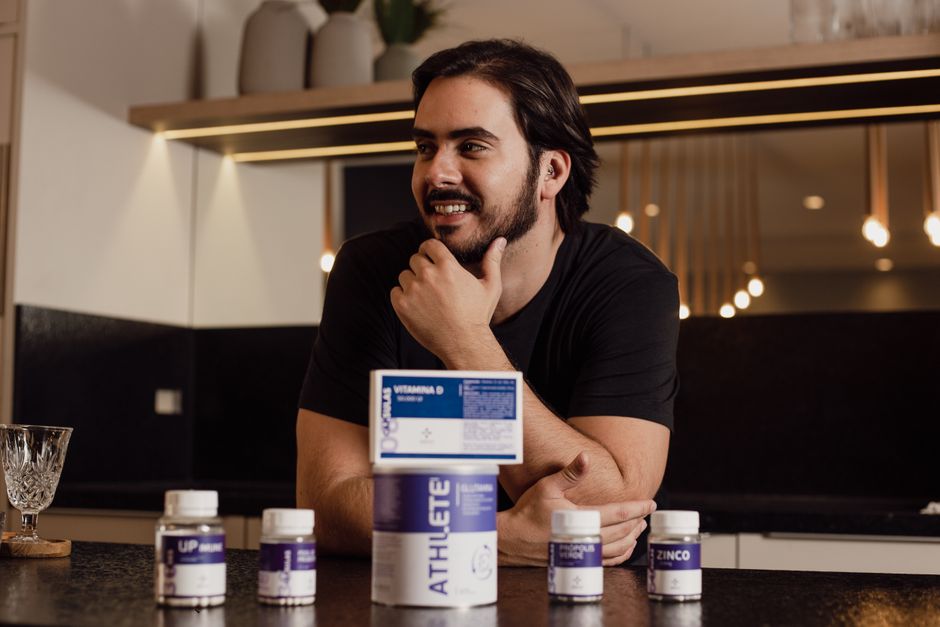
Vitamins for Memory Adults: What Evidence Supports
For adults, memory vitamins are most useful to correct deficiency; supplements have not reliably improved memory in people without one.
Best Memory Pills: What the Evidence Says and What to Do
No memory supplement is proven to prevent cognitive decline; compare evidence, cost and safety, and get noticeable memory changes evaluated.

What Are the Best Boarding Schools in the US?
Compare the best boarding schools in the US by academic fit, student support, campus culture, affordability, and admissions realism.

Should You Directly Apply for Jobs or Use Indeed?
Directly apply for jobs on the employer’s site when verified; use Indeed quick apply when it clearly reaches the right employer.